
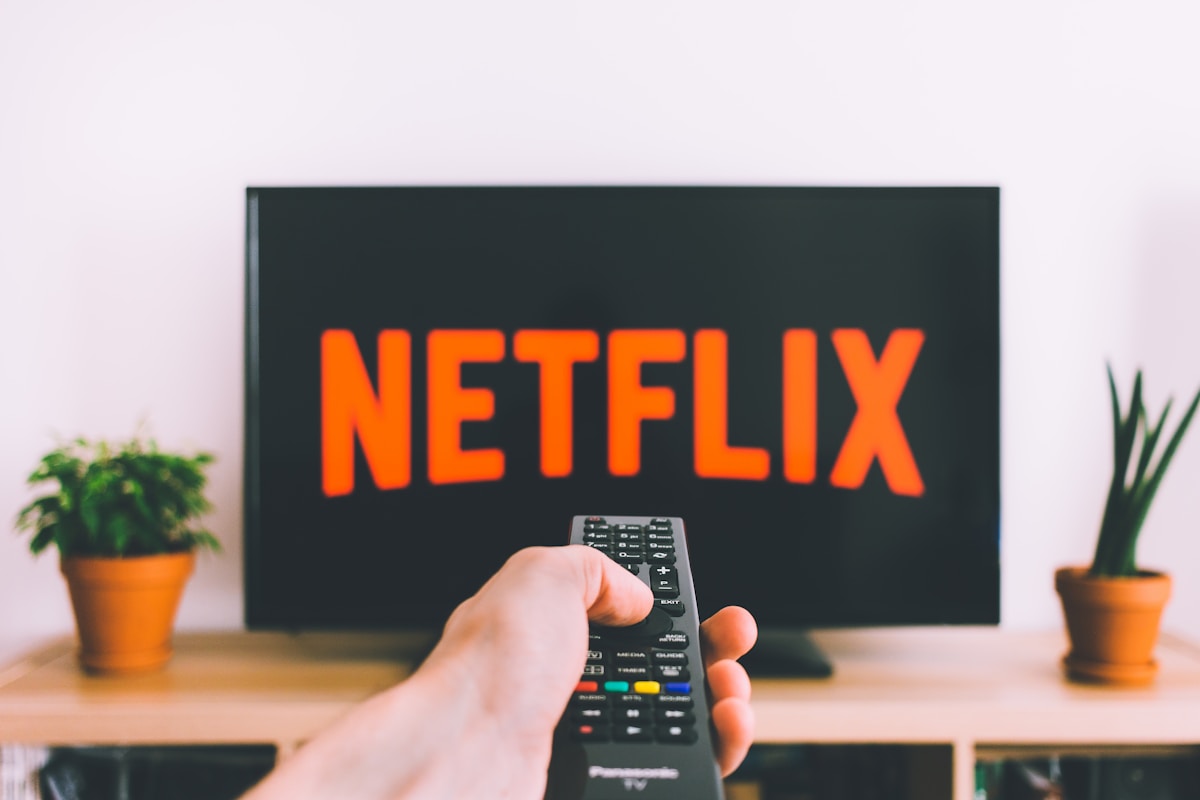
Binge-watching has transformed from an occasional indulgence into a dominant mode of content consumption, fundamentally changing how narratives are structured and how viewers engage with entertainment. This shift didn't happen accidentally; streaming platforms have deliberately engineered their services to encourage extended viewing sessions using psychological principles and interface design that makes stopping genuinely difficult.
The term binge-watching entered common usage only in the past decade, though the behavior existed in limited forms before streaming. DVD box sets enabled marathon viewing sessions, but the friction of changing discs and limited availability prevented the seamless, extended sessions that streaming enables. The removal of these barriers unleashed consumption patterns that platforms have actively cultivated.
Autoplay features represent the most obvious binge-enabling mechanism, automatically starting the next episode after a brief countdown. This design exploits psychological principles of inertia and default bias—taking no action becomes easier than actively deciding to stop watching. The brief countdown creates time pressure that discourages thoughtful decision-making about whether to continue viewing.
Content structure has evolved to support binge consumption, with serialized narratives designed to maintain tension across episodes and discourage stopping. Cliffhanger endings, unresolved plot threads, and pacing that assumes consecutive viewing all reflect creators' awareness that audiences will likely watch multiple episodes in single sessions. This represents a fundamental shift from weekly episodic television that required each episode to function as a somewhat complete unit.
Platform algorithms curate content recommendations designed to keep viewers engaged for extended periods. These systems analyze viewing history to predict what users will watch next, serving suggestions immediately after finishing content. The accuracy of these recommendations can feel uncanny, reflecting sophisticated analysis of viewing patterns across millions of users.
Interface design choices encourage continued viewing through various subtle mechanisms. Progress bars showing how much of a season remains, thumbnail previews that tease upcoming content, and the prominent display of "next episode" options all nudge viewers toward continued consumption. These elements are carefully tested and optimized to maximize viewing time.
The psychological impacts of binge-watching have received increased research attention as the behavior has become widespread. Studies have found associations between excessive binge-watching and various negative outcomes including poor sleep, social isolation, and decreased physical activity. The highly engaging nature of content combined with platform features that discourage stopping can override normal self-regulation for vulnerable individuals.
Platforms have faced criticism for prioritizing engagement over user wellbeing, with comparisons drawn to social media companies that optimize for addictive usage patterns. Some have called for features that would help users limit their viewing time or encourage breaks, though such tools would work against platforms' fundamental business interest in maximizing watch time.
Cultural attitudes toward binge-watching have been somewhat ambivalent, with the behavior simultaneously celebrated as a perk of modern technology and worried over as potentially problematic. People proudly declare binge-watching accomplishments while also expressing guilt about time spent viewing. This tension reflects uncertainty about whether binge-watching represents harmless entertainment or concerning overconsumption.
The creative implications of binge-designed content extend beyond simple narrative structure. Writers, directors, and editors make different choices when expecting consecutive viewing versus weekly release. Visual motifs and narrative threads can be more subtle when viewers will immediately see payoffs rather than waiting weeks. This changes the fundamental nature of storytelling in ways we're still understanding.
As concerns about screen time and digital wellbeing have grown, some platforms have experimented with features intended to promote healthier viewing habits. Options to disable autoplay, set viewing time limits, or receive reminders to take breaks have been introduced, though their implementation is often half-hearted and easy to ignore. Truly addressing binge-watching's potential downsides would require platforms to work against their core business objectives.
The future of content consumption likely involves continued tension between platforms' commercial interests in maximizing engagement and growing awareness of overconsumption's potential harms. Whether regulation, consumer pressure, or platforms' own recognition of long-term risks will lead to more balanced approaches remains to be seen, but the current system clearly prioritizes immediate engagement over user wellbeing.


Leave a Comment