
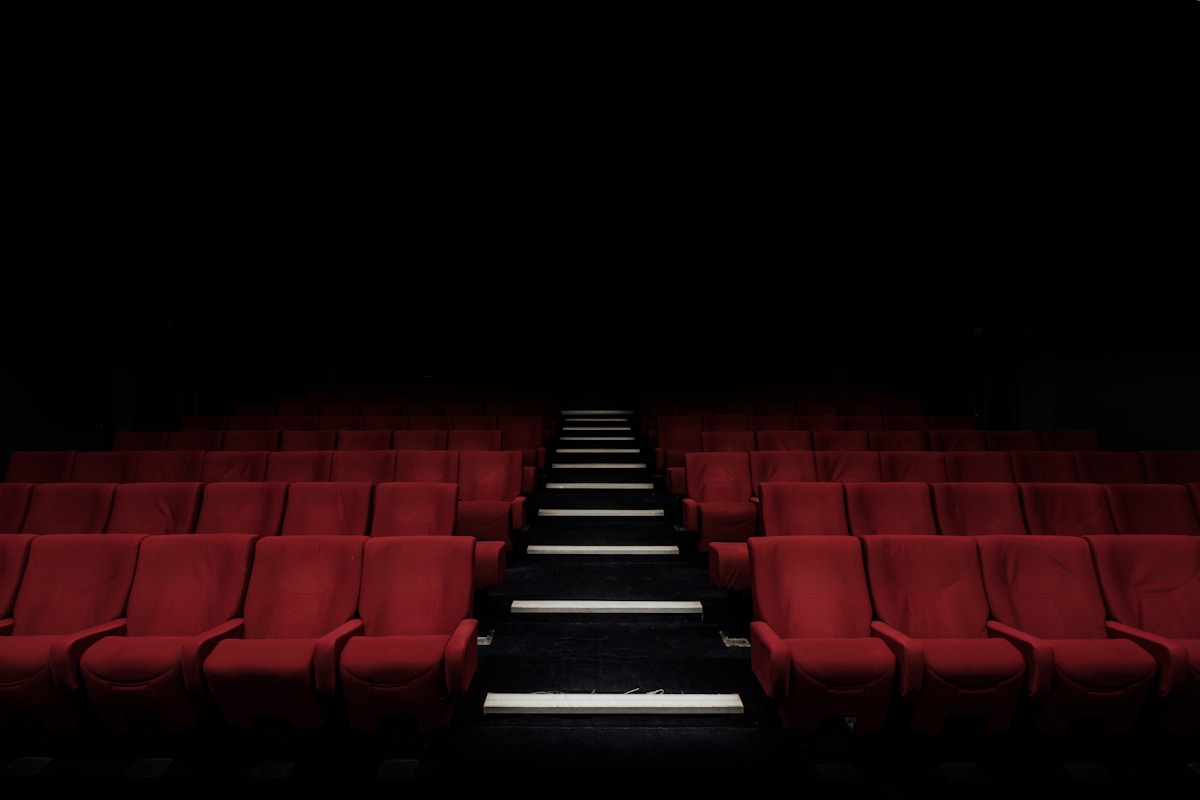
The COVID-19 pandemic accelerated transformations in film distribution that had been slowly developing for years, fundamentally altering the theatrical window and the relationship between cinemas and studios. What began as a temporary emergency measure has evolved into a permanent restructuring of how films reach audiences, with profound implications for the entire entertainment ecosystem.
The theatrical window traditionally guaranteed cinemas exclusive access to new releases for ninety days or more before films became available through other channels. This arrangement protected theater owners' investments and ensured that studios maximized box office revenue before cannibalizing it with home viewing options. For decades, this system remained essentially unchanged despite technological disruptions.
When theaters closed globally in early 2020, studios faced an unprecedented dilemma. Major releases representing hundreds of millions in production and marketing costs sat on shelves with no clear path to recoup investments. Some studios delayed releases indefinitely, hoping theaters would reopen quickly. Others made the controversial decision to release films directly to streaming platforms or premium video-on-demand.
These decisions sparked fierce debates about the future of cinema. Theater owners felt betrayed by studios breaking longstanding agreements, arguing that eliminating the theatrical window would destroy their business model. Studios countered that they couldn't indefinitely delay releases and needed to maintain cash flow and satisfy shareholders during an existential crisis.
As theaters gradually reopened, hybrid release strategies emerged as a new norm. Some films debuted simultaneously in theaters and on streaming platforms, while others featured shortened theatrical windows of thirty to forty-five days. Major studios experimented with various models, seeking to balance theatrical revenue with the strategic imperative of building streaming subscriber bases.
The financial calculations underlying these decisions are complex. A successful theatrical run generates not just box office revenue but ancillary income from merchandise, home video, and licensing. However, a high-profile streaming release can drive significant subscriber growth and reduce churn, potentially creating more long-term value than theatrical revenue despite lower immediate returns.
Consumer behavior shifted dramatically during this period, with many viewers becoming accustomed to watching new releases at home. Families that might have spent a hundred dollars on a theatrical outing discovered they could watch the same film for a fraction of that cost in their living rooms. Breaking this habit and convincing audiences to return to theaters has proven more challenging than anticipated.
Not all films have been equally affected by these changes. Big-budget spectacles designed for theatrical viewing continue to perform well in cinemas, with audiences still willing to pay premium prices for immersive experiences. Mid-budget dramas and comedies have struggled to attract theatrical audiences, with many viewers content to wait for streaming availability.
Independent theaters and smaller chains have been particularly vulnerable to these disruptions. Without the negotiating power of major chains or the diversified revenue streams of studios, many independent cinemas have closed permanently. This consolidation has reduced viewing options in many communities and diminished the diversity of the theatrical landscape.
International markets add another layer of complexity to release strategies. Different territories have varying theatrical traditions, streaming penetration rates, and audience preferences. Studios now craft territory-specific strategies rather than implementing global one-size-fits-all approaches, adding logistical complexity to release planning.
Looking forward, a permanent return to pre-pandemic distribution models appears unlikely. The theatrical window will continue to exist but in a compressed, more flexible form that varies based on individual films and market conditions. Success in this new environment will require studios and theaters to collaborate on innovative models that serve their mutual interests while adapting to evolved consumer expectations.

Leave a Comment